
March 12, 2026
7 Proven SMS Lead Generation Strategies That Convert Dormant Contacts Into Sales
Most businesses overlook a critical revenue source: dormant contacts already in their CRM who previously showed interest but never converted. This guide reveals seven SMS lead generation strategies specifically designed to reactivate these existing contacts and convert them into booked appointments and sales, with particular applications for audiologists and hearing care professionals seeking to re-engage patients who inquired about services but never followed through.
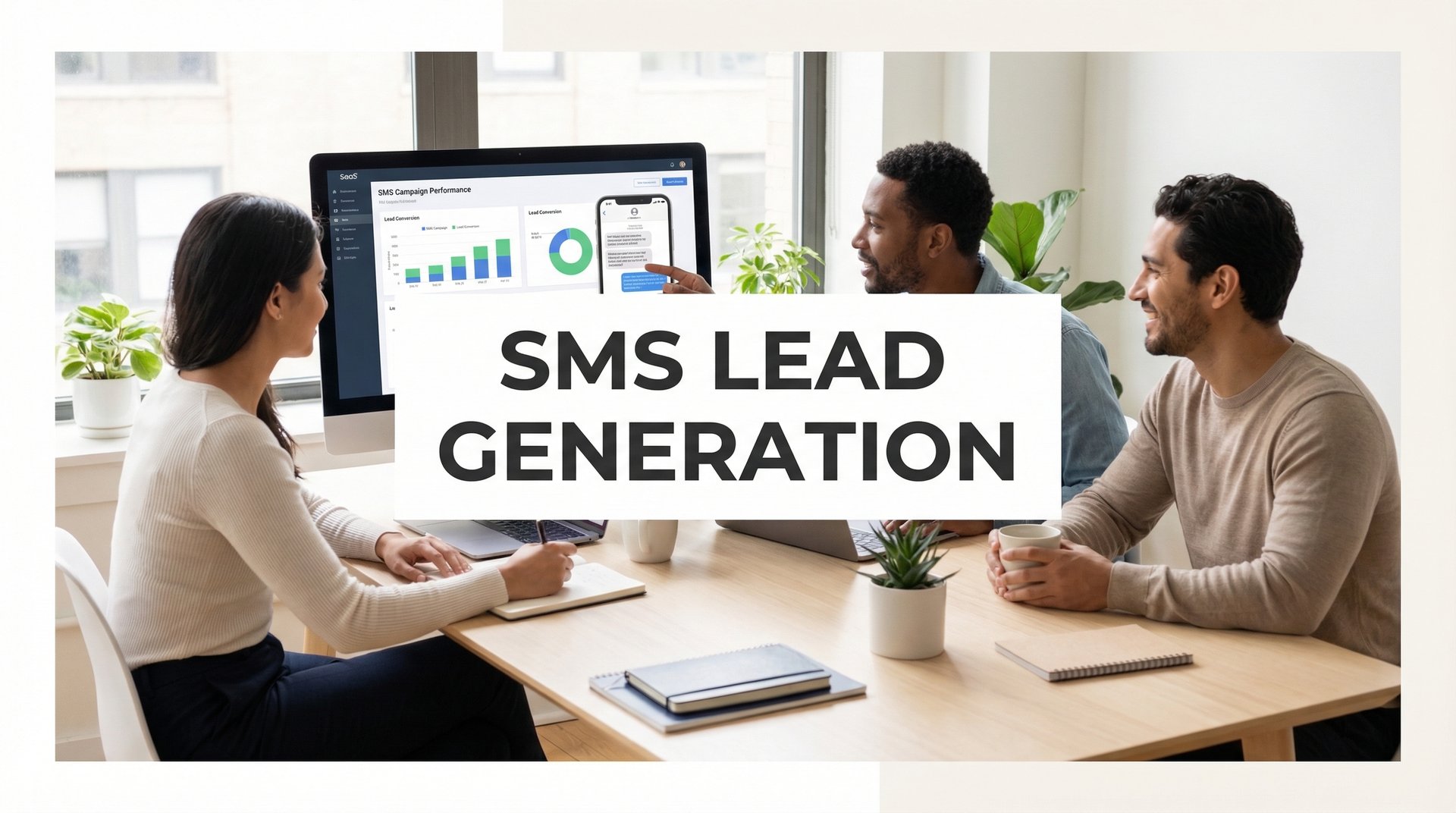

Your CRM is likely sitting on a goldmine of untapped revenue. While businesses spend heavily acquiring new leads, thousands of existing contacts—people who already showed interest—remain dormant and forgotten. SMS lead generation offers a direct path to reactivating these opportunities with open rates that dwarf email marketing.
For audiologists and hearing care professionals, this is particularly powerful: patients who inquired about hearing aids but never scheduled, or those due for follow-up appointments, represent immediate revenue potential.
This guide delivers actionable SMS strategies specifically designed to convert your existing database into booked appointments and closed sales—without the manual outreach that drains your team's time.
1. Segment Your Database Before Sending a Single Text
The Challenge It Solves
Blasting your entire database with generic messages is the fastest way to trigger opt-outs and damage your reputation. When a patient who inquired about hearing aids six months ago receives the same message as someone who scheduled a consultation last week, both feel like they're being treated as numbers rather than individuals.
The lack of segmentation wastes your most valuable asset: the context you already have about each contact's journey.
The Strategy Explained
Effective SMS lead generation starts with intelligent database segmentation that groups contacts by meaningful criteria. For audiology practices, this means dividing your database by factors like inquiry date, service interest, previous appointment history, and engagement level.
Think of it like organizing your patient files. You wouldn't use the same conversation approach with a new inquiry versus a long-time patient due for their annual check-up. The same principle applies to your SMS outreach.
Create segments such as "inquired but never scheduled," "scheduled but didn't show," "patients due for follow-up," and "past patients with no recent contact." Each segment receives messaging tailored to their specific situation and needs.
Implementation Steps
1. Export your CRM data and identify key fields: last contact date, service inquired about, appointment history, and any notes about their specific needs or concerns.
2. Create 4-6 primary segments based on lead temperature and stage in the patient journey, focusing on groups that represent the highest revenue potential.
3. Document what you know about each segment's likely concerns, objections, and motivations to inform your messaging strategy.
4. Set up your SMS platform to tag contacts automatically based on their responses, allowing dynamic segment refinement over time.
Pro Tips
Start with your warmest segments first—people who engaged recently or showed strong interest. This builds confidence in your approach before tackling colder contacts. For audiology practices, prioritize patients due for follow-up appointments, as they already have an established relationship and clear need.
2. Craft Hyper-Personalized Opening Messages
The Challenge It Solves
Generic opening texts get ignored or deleted within seconds. When your message could have been sent to anyone, it fails to create the connection needed to restart a conversation. Patients who receive "Hi, we noticed you haven't scheduled your hearing test yet" immediately recognize it as automated outreach and mentally dismiss it.
The challenge is making each contact feel like you actually remember them and their specific situation.
The Strategy Explained
Hyper-personalization means referencing specific details from each contact's history with your practice. This goes beyond inserting their first name—it's about demonstrating that you remember their unique circumstances and concerns.
For an audiology practice, this might mean referencing the specific hearing concerns they mentioned during their initial inquiry, the type of hearing aid they were interested in, or the timeframe they mentioned for making a decision.
The goal is to trigger recognition: "Oh, they actually remember me and my situation." This transforms your text from spam into a relevant, timely follow-up that feels like genuine human communication.
Implementation Steps
1. Review your CRM notes for each contact and identify at least one specific detail about their inquiry, concern, or previous interaction.
2. Create message templates that include dynamic fields for these specific details, not just basic information like name and date.
3. Reference the contact's original inquiry or concern in your opening line: "Hi Sarah, you reached out in October about hearing aids for your left ear. I wanted to check in..."
4. Include a relevant detail that shows you've maintained context: "You mentioned wanting something discreet for work environments."
Pro Tips
The most powerful personalization references an emotional concern or specific goal the contact shared. If a patient mentioned struggling to hear their grandchildren, that detail creates instant connection. AI-powered personalized outreach systems can help identify and insert these details at scale while maintaining the personal touch.
3. Deploy AI-Powered Conversation Sequences
The Challenge It Solves
Manual SMS outreach doesn't scale, and single messages rarely convert. Your team can't monitor responses 24/7, qualify leads in real-time, or maintain consistent follow-up across hundreds of contacts. Meanwhile, leads who respond outside business hours often lose interest by the time you reply the next morning.
The bottleneck isn't sending the initial message—it's handling the conversation that follows.
The Strategy Explained
AI-powered conversation sequences automate the entire lead nurturing process, not just the initial outreach. These systems send multi-touch sequences, respond to common questions, handle objections, and qualify leads based on their responses—all without human intervention.
Think of it as having a tireless team member who never sleeps, never forgets to follow up, and can manage hundreds of simultaneous conversations. When a dormant patient responds at 9 PM asking about pricing, the AI provides information immediately and moves them toward scheduling.
For audiology practices, this means dormant leads in your CRM get nurtured through educational content about hearing loss, information about different hearing aid options, and gentle prompts to schedule consultations—all delivered based on how they engage with each message.
Implementation Steps
1. Map out your ideal conversation flow from initial outreach to scheduled appointment, identifying common questions and objections at each stage.
2. Create a sequence of 3-5 messages spaced over 7-14 days, each building on the previous interaction and providing incremental value.
3. Program response triggers that detect common replies like "how much," "not interested," or "tell me more," with appropriate automated responses for each.
4. Set up qualification criteria that flag high-intent responses for immediate human follow-up while the AI continues nurturing lower-intent contacts.
Pro Tips
Build in natural conversation pauses. If someone responds positively to your second message, don't immediately fire back with the third message in your sequence. Let the AI assess their response and adjust timing accordingly. The goal is feeling human, not robotic efficiency.
4. Use Value-First Messaging Over Hard Sells
The Challenge It Solves
Leading with promotional offers or aggressive sales pitches triggers immediate resistance. When dormant contacts receive texts that scream "We want your money," they disengage. This is especially problematic in healthcare, where patients need to feel you're prioritizing their wellbeing over revenue.
Hard sells work against you because they confirm the contact's worst assumption: you only care about making a sale.
The Strategy Explained
Value-first messaging means every text provides something useful before making any ask. For audiology practices, this could be educational content about hearing health, tips for protecting hearing, information about new hearing aid technology, or guidance on recognizing signs of hearing loss progression.
The strategy builds trust and positions you as a helpful resource rather than a pushy salesperson. When you eventually suggest scheduling a consultation, it feels like the natural next step in a helpful relationship rather than a cold pitch.
Picture this: Instead of texting "Schedule your hearing test today and save 20%," you send "Hi John, new research shows untreated hearing loss can accelerate cognitive decline. Here's a quick self-assessment to see if you might benefit from a baseline hearing test." One feels like spam. The other feels like genuine care.
Implementation Steps
1. Create a library of valuable content pieces relevant to your audience: educational articles, self-assessment tools, maintenance tips, and technology updates.
2. Structure each message to deliver value first: "Here's something that might help you..." before any call to action.
3. Use the 80/20 rule: 80% of your message should be about their benefit or concern, 20% about what you want them to do next.
4. Frame your offers as opportunities rather than promotions: "Based on your previous interest in rechargeable hearing aids, I wanted to share information about the latest models" instead of "Buy now and save."
Pro Tips
The strongest value-first messages address a specific pain point you know the contact has. If your CRM notes show they were concerned about hearing in noisy environments, send targeted information about directional microphone technology. Relevance is the ultimate value.
5. Implement Smart Timing Based on Engagement Data
The Challenge It Solves
Sending messages at random times means catching people when they're driving, in meetings, or otherwise unable to engage. Poor timing leads to ignored messages, even when the content itself is strong. For healthcare practices, this challenge is compounded by the fact that your audience spans different age groups with vastly different daily patterns.
The difference between a message that gets read immediately versus one that gets buried can be just a few hours.
The Strategy Explained
Smart timing uses historical engagement data to identify when each contact is most likely to read and respond to messages. Rather than blasting your database at 10 AM on Tuesday, you send messages when each individual contact has historically shown the highest engagement.
This approach recognizes that your retired patients might engage best mid-morning, while working professionals respond better during lunch breaks or early evening. AI-powered systems can analyze past open times, response times, and conversion data to optimize send times automatically.
For audiology practices reactivating dormant leads, timing matters even more because you're trying to restart a conversation that went cold. Catching someone at the right moment—when they have time to actually consider your message—dramatically increases response rates.
Implementation Steps
1. Review your historical SMS data to identify patterns in when contacts open messages and respond, segmented by demographics if possible.
2. Test different send times with small segments of your database, measuring not just open rates but quality of responses and conversion rates.
3. Implement send-time optimization that automatically schedules messages based on each contact's time zone and historical engagement patterns.
4. Avoid obvious bad times: early mornings before 9 AM, late evenings after 8 PM, and during typical meal times unless data shows your audience engages then.
Pro Tips
For healthcare practices, consider the emotional state timing creates. A message about hearing loss received during a quiet Sunday morning might get more thoughtful consideration than one received during a hectic Wednesday afternoon. Test "reflection times" like weekend mornings for more serious health decisions.
6. Create Urgency Without Manipulation
The Challenge It Solves
Dormant leads have already demonstrated procrastination—they inquired but didn't schedule, or scheduled but didn't show. Without a compelling reason to act now, they'll continue postponing. However, fake urgency tactics like "Only 2 spots left!" damage trust when patients realize they're manufactured.
The challenge is creating genuine motivation to act without resorting to manipulative pressure tactics that undermine your credibility.
The Strategy Explained
Authentic urgency uses real deadlines and relevant timing hooks that actually matter to the contact. For audiology practices, this might be seasonal factors like "Adjusting to new hearing aids takes time—starting now means you'll be comfortable before holiday gatherings," or health-related timing like "It's been 18 months since your last hearing test, and changes can occur gradually."
The key difference is that authentic urgency focuses on the contact's timeline and needs, not your sales goals. You're highlighting why acting now benefits them, not why you need them to buy this week.
This approach works because it respects the contact's intelligence while providing legitimate reasons to prioritize something they've been putting off.
Implementation Steps
1. Identify real timing factors relevant to your contacts: seasonal considerations, health timelines, insurance benefit periods, or upcoming life events they mentioned.
2. Reference specific timeframes based on their history: "It's been X months since you inquired" or "You mentioned wanting to address this before your daughter's wedding in the spring."
3. Frame urgency around their goals and concerns: "The longer hearing loss goes unaddressed, the harder adjustment becomes" rather than "Sale ends Friday."
4. Use natural deadlines when they exist: insurance benefit year-end, seasonal factors affecting hearing aid adjustment, or upcoming travel plans they shared.
Pro Tips
The most powerful urgency connects to an emotional goal the contact shared. If they mentioned wanting to hear their grandchildren better, referencing an upcoming holiday when family gathers creates authentic urgency. Tie timing to their stated desires, not your promotional calendar.
7. Track, Measure, and Optimize Relentlessly
The Challenge It Solves
Most SMS campaigns fail because teams measure the wrong metrics or don't measure at all. Tracking only open rates misses the real goal: converting dormant contacts into revenue. Without systematic measurement and optimization, you're flying blind—repeating what doesn't work and missing opportunities to amplify what does.
The challenge is identifying which metrics actually predict revenue and building a feedback loop that continuously improves performance.
The Strategy Explained
Effective measurement focuses on revenue-driving metrics: response rate, qualified lead rate, appointment booking rate, show rate, and ultimately conversion to sale. Each metric reveals specific optimization opportunities.
For audiology practices, this means tracking the entire journey from initial text to booked appointment to completed hearing test to hearing aid sale. If your response rate is high but appointment booking is low, your messaging is engaging but your call-to-action needs work. If booking is high but show rate is low, you need better appointment confirmation and reminder sequences.
The optimization cycle is simple: measure results, identify the weakest link in your conversion chain, test improvements, measure again. This systematic approach transforms SMS lead generation from guesswork into a predictable revenue engine. Understanding SMS conversion optimization principles helps you turn high open rates into actual appointments.
Implementation Steps
1. Define your conversion funnel stages: message delivered → opened → responded → qualified → booked → showed → purchased.
2. Track conversion rates between each stage to identify where contacts drop off most frequently.
3. Calculate revenue per contact for each segment and campaign to identify your highest-ROI opportunities.
4. Run A/B tests on one variable at a time: message content, send time, sequence length, or personalization depth, measuring impact on revenue metrics.
5. Review performance weekly, identifying both winning approaches to scale and failing elements to eliminate or redesign.
Pro Tips
Focus optimization efforts where they'll have the biggest impact. If 80% of contacts drop off after the first message, improving your follow-up sequence matters more than perfecting your fifth message. Find your biggest bottleneck and fix it first. For audiology practices, pay special attention to the gap between appointment booking and actual show rate—this often reveals opportunities in your reminder and confirmation process.
Putting It All Together
SMS lead generation isn't about blasting your database with promotional messages—it's about strategically re-engaging contacts who already expressed interest with personalized, value-driven communication.
Start by segmenting your existing CRM data into meaningful groups based on engagement history and service interest. Then craft hyper-personalized opening messages that reference specific details from each contact's journey with your practice.
Deploy automated SMS sequences that nurture leads 24/7 without manual effort, handling responses and qualifying interest while your team focuses on high-value activities. Lead every interaction with genuine value before making any ask, building trust rather than triggering sales resistance.
Optimize your send times based on when each contact historically engages, and create authentic urgency using real deadlines and relevant timing hooks. Most importantly, track revenue-driving metrics relentlessly and optimize based on what actually converts dormant contacts into paying patients.
For audiology practices, this means converting hearing aid leads into appointments and ultimately sales. The leads are already in your database. The revenue is waiting. The only question is whether you'll continue letting these opportunities gather dust or implement a systematic approach to reactivation.
Your CRM likely contains thousands of contacts who showed interest but never converted—patients who inquired about hearing aids but didn't schedule, or scheduled consultations but didn't show. Each represents revenue potential that requires no additional marketing spend to acquire. Learn more about what lead reactivation is and how it can transform your practice's revenue.
Ready to see how many forgotten leads in your CRM could convert within the next 7 days? Stop Leaving Money on the Table – Revive Your Leads in 7 Days or Less.
Want More Appointments Without Buying More Leads?
Most businesses are sitting on hundreds or thousands of past inquiries that never converted. We built a simple SMS reactivation system that turns those forgotten leads into real conversations and booked appointments.
See How It Works